
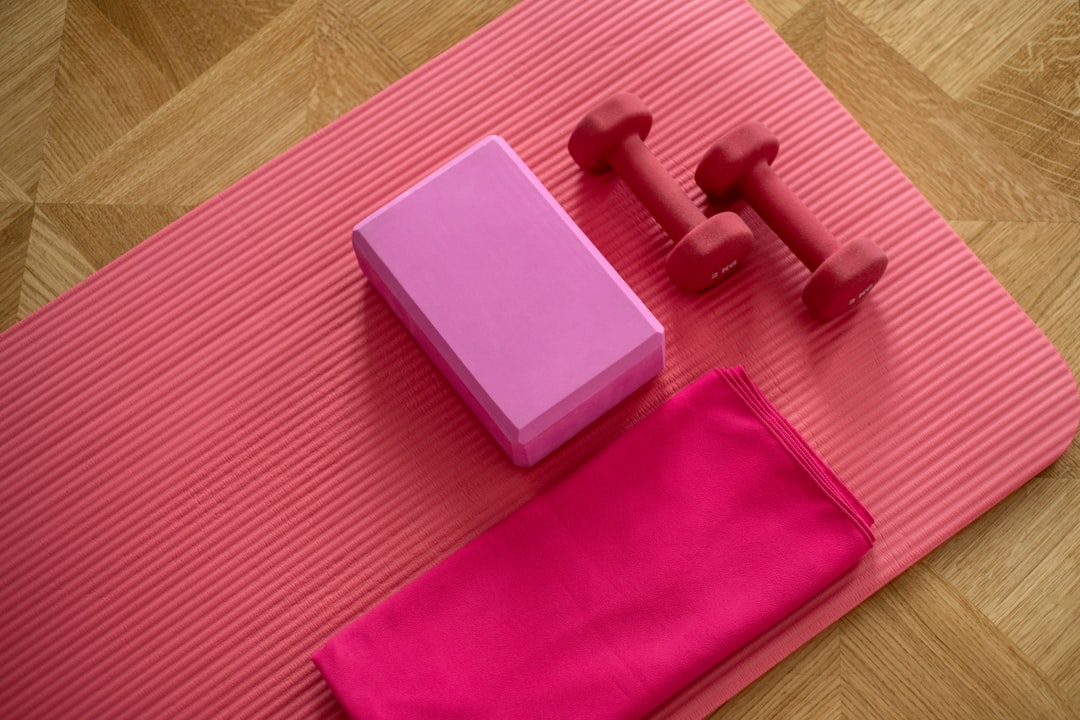
How to Create a Balanced Weekly Workout Plan
Creating a balanced weekly workout plan makes training sustainable, reduces injury risk, and speeds progress. The goal is to include strength, cardio, mobility, and recovery in a way that fits your schedule and fitness level.
This guide gives practical structure, sample templates, exercise priorities, and tools to keep you consistent. Use the sections below to build a plan that matches your goals, time availability, and equipment access.
Principles of a Balanced Weekly Plan
A balanced plan distributes training stress and recovery across the week. Key principles:
- Frequency: Aim for 3–6 total sessions per week depending on experience and goals.
- Variety: Alternate heavy, moderate, and light sessions to avoid plateaus.
- Recovery: Build in at least one full rest day and daily mobility or soft-tissue work.
- Progression: Increase volume, intensity, or complexity gradually—no sudden jumps.
Planning Your Week — Templates That Work
Choose a template based on availability and goals. Below are three practical examples.
Busy (3 days): Full-body lifts Mon / Cardio Wed / Strength + mobility Fri. If you want better workout comfort, update your kit—consider browsing Activewear for clothing that supports movement and recovery.
Balanced (4 days): Upper / Lower / Conditioning / Full-body accessory. This setup spreads load and allows targeted recovery.
Performance (5–6 days): Strength focus 2–3 days, structured cardio/conditioning 2 days, plus one mobility/light day. Leave one day full rest.
Strength Days: Structure and Focus
Strength sessions build muscle, bone density, and functional capacity. Use compound movements as the foundation: squats, deadlifts, presses, rows. A sample strength session:
- Warm-up: 5–10 minutes mobility and activation
- Main lifts: 3–5 sets of 3–8 reps (heavy days) or 3–4 sets of 8–12 reps (hypertrophy)
- Accessory work: 2–4 exercises, 2–4 sets of 8–15 reps
- Cool down: mobility and brief soft-tissue work
If you need programming ideas or equipment, check our curated strength resources here: Strength Training.
Cardio and Conditioning: Types and When to Use Them
Cardio improves cardiovascular fitness and aids recovery when used strategically. Mix steady-state, tempo, and interval training across the week.
- Low-intensity steady state (LISS): 20–45 minutes for active recovery or fat-burning days.
- Tempo/threshold: 20–30 minutes at challenging but sustainable pace to raise lactate threshold.
- High-intensity intervals (HIIT): 10–25 minutes total work for conditioning and time efficiency.
If you prefer treadmill work, equipment options and programs are available in our Cardio Training category to fit home and gym setups.
Resistance Tools, Weights, and Accessories
Choose tools that match your space and goals. Free weights and adjustable kits are versatile for progressive overload; machines and bands offer joint-friendly alternatives.
Common picks: adjustable dumbbells, barbells, kettlebells, and weight vests for loaded walking or push-up variation. Explore our weight options here: Weights.
Small accessories like lifting straps, gloves, sliders, and handles can improve technique and comfort—see practical items in Accessories.
Mobility, Recovery, and the Role of Yoga
Mobility sessions reduce stiffness, improve movement quality, and speed recovery. Include 10–20 minutes of mobility after harder sessions or on active recovery days.
Yoga helps restore range of motion, balance the nervous system, and provides low-intensity movement. A weekly mobility or yoga session can be an active recovery day—if you want guided options, visit our Yoga category for mats and props.
Nutrition and Recovery Planning
Training without consistent fueling and sleep undermines progress. Prioritize protein across the day (roughly 0.6–1.0 g per pound of body weight for many training goals), balanced carbs around workouts for energy, and adequate fats for hormonal health.
Basics to implement: post-workout protein and carbs within 1–2 hours, hydration throughout the day, and consistent sleep scheduling. Find practical supplements and fueling options in our Nutrition category.
Tools for Tracking Progress and Staying Consistent
Tracking basic metrics helps you adjust workload and avoid overtraining. Log weights, sets, reps, RPE, and subjective recovery. Use a heart rate monitor, pedometer, or app to quantify cardio load.
Fitness trackers and simple pedometers make data collection easy. Browse our tracking and tech options at Fitness Technology.
Putting It Together: Sample Weekly Plan
Here’s a realistic 5-day example for a general fitness goal (strength + conditioning):
- Monday — Heavy Lower (3–5 sets of 4–6 reps compound lifts; accessory hamstring/glute work)
- Tuesday — Moderate Cardio + Mobility (30 min tempo or intervals + 15 min mobility)
- Wednesday — Upper Strength (3–4 sets of 5–8 reps bench/row/press; accessory arms/shoulders)
- Thursday — Light Active Recovery (yoga or mobility session)
- Friday — Full-body Hypertrophy (3 sets of 8–12 reps across multi-joint movements)
- Saturday — Conditioning/Optional Skill Work (short HIIT, sport, or long bike hike)
- Sunday — Rest or gentle yoga
Adjust sets, reps, and intensity to your recovery and available time. Swap days around to fit life—consistency matters more than perfection.
Small Checklist
- Decide your weekly training days (3–6) and block them on your calendar.
- Assign priorities: strength, cardio, mobility, recovery.
- Choose 1–2 compound lifts per strength day and 2–3 accessory movements.
- Schedule one full rest day and one active recovery session.
- Track sessions and recovery metrics weekly; adjust load by 5–10% when consistent.
FAQ
- How many strength sessions per week do I need? For general progress, 2–3 focused strength sessions per week are effective; increase to 3–4 for faster gains if recovery allows.
- Should cardio be done before or after strength? For most people targeting strength, do cardio after strength or on separate days. Short, low-intensity cardio before strength is fine as a warm-up.
- How long should mobility sessions be? Keep daily mobility to 5–15 minutes; longer sessions (20–40 minutes) once or twice weekly can address bigger restrictions.
- What if I only have 30 minutes? Prioritize compound lifts or a focused HIIT session. Short, high-quality sessions beat inconsistent long workouts.
- How do I progress without going to failure? Increase load, add reps or sets, reduce rest, or improve exercise complexity. Track progress and add small increments each 1–3 weeks.
Conclusion — Practical Takeaway
Build a weekly plan around 3–6 sessions that combine strength, cardio, and mobility; protect recovery; and track progress. Start with a simple template, be consistent for 4–8 weeks, then adjust volume and intensity based on results.