
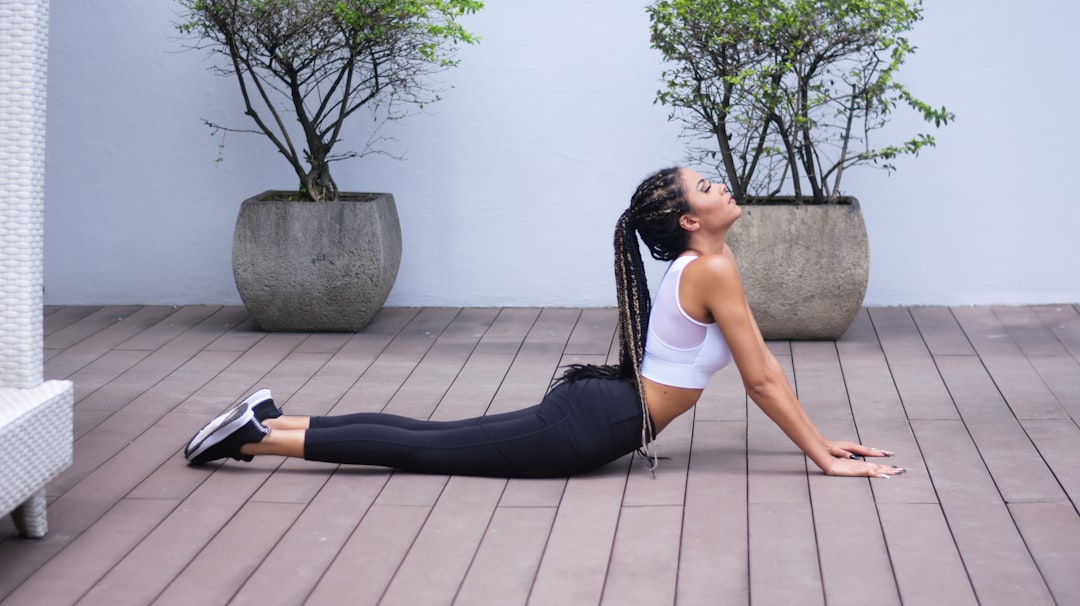
Improving flexibility and speeding recovery doesn’t require complicated routines or expensive gear. With a few consistent, well‑chosen stretching habits you can decrease soreness, move better, and reduce injury risk.
This guide gives simple, actionable stretching tips you can use right away—covering warm‑ups, targeted stretches, timing, breathing, and a few recovery products that actually help.
Why stretching matters for flexibility and recovery
Stretching increases tissue range of motion, improves circulation to fatigued muscles, and helps restore normal movement patterns after exercise. When done correctly, it reduces stiffness and lets your muscles recover more efficiently so you can train more consistently.
Warm up before you stretch
Cold muscles are less pliable and more injury prone. Start with 5–10 minutes of light movement to raise muscle temperature and blood flow—brisk walking, easy cycling, or a short bodyweight circuit. If you prefer compact tools, a vibration plate can accelerate warm‑up and loosen fascia before stretching; the Power Plate MOVE is an option people use to wake up muscles quickly.
Understand dynamic vs. static stretching
Use dynamic stretches (leg swings, arm circles, lunges with rotation) before workouts to prime movement and nervous system readiness. After your session, switch to static holds (gentle, sustained lengthening for 20–60 seconds) to help muscles relax and elongate. Both play distinct roles: dynamics for performance, statics for recovery.
Simple routine you can do in 10–15 minutes
Here’s a short sequence that balances mobility and relaxation. Perform dynamic moves before exercising and the full sequence with longer holds afterward.
- Hip circles and leg swings — 1–2 minutes (dynamic)
- World’s greatest stretch (lunge + thoracic twist) — 6–8 reps each side (dynamic)
- Standing hamstring stretch — 30–45 seconds each side (static)
- Figure‑4 glute stretch — 30–45 seconds each side (static)
- Doorway chest stretch or wall pec stretch — 30 seconds (static)
- Child’s pose or a yoga sequence to finish — 1–3 minutes
If you prefer a class‑style approach to mobility and flexibility, incorporating regular Yoga sessions can make those movements easier to learn and maintain.
Targeted stretches for common tight areas
Focus where you feel the tightness. Hamstrings, hip flexors, calves, chest, and the thoracic spine are frequent trouble spots. For core and hamstring coordination, sliding‑based drills help with controlled movement; for example, using SKLZ Slidez to practice eccentric control and hip hinge mechanics can aid flexibility and strength together.
Breathing, timing, and progression
Good breathing speeds relaxation and improves stretch depth. Inhale to prepare, exhale as you ease into the stretch and hold. Aim for 20–60 seconds for static holds; longer holds can be useful when done cautiously. Progress by either increasing duration slowly, adding gentle movement within the stretch, or combining soft contractions then relaxing into a deeper length (contract‑relax method).
Recovery tools and products that complement stretching
Some products help recovery when paired with consistent stretching. Post‑session supplements can support replenishment and muscle repair—consider a targeted post workout formula such as Optimum Nutrition Muscle Recovery to support overnight recovery routines.
Topical aids and massage tools can reduce local soreness and make stretches more tolerable. An herbal massage balm like Banyan Botanicals Muscle Balm or an ayurvedic foot massage device such as the Kansa Vatki Cup can be integrated into a cooldown to improve circulation and comfort.
Clothing and environment matter
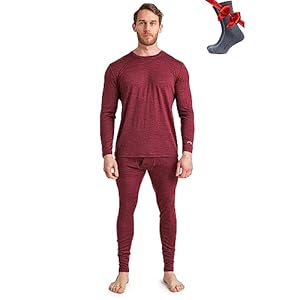
Stretching cold or damp muscles limits progress. Lightweight, breathable base layers that manage temperature let you hold stretches more comfortably. Women might prefer the Smartwool Women’s Classic Thermal for warmth and moisture control, while men can use the Merino.tech Merino Wool Base Layer Men’s Set to stay warm without overheating.
Optimize recovery with better sleep and rest
Flexibility gains consolidate during rest. Quality sleep supports hormonal balance, tissue repair, and reduced inflammation. To improve sleep environment and support recovery routines, consider a simple sound machine to mask disturbances—devices like the Homedics SoundSleep can help you maintain consistent, restorative sleep.
Common mistakes and how to avoid them
- Overstretching cold muscles—always warm up first.
- Forcing a stretch—work to a point of mild discomfort, not pain.
- Ignoring weakness—combine mobility with strength work to hold new ranges.
- Skipping consistency—short daily sessions beat one long session per week.
Quick checklist: daily flexibility routine
- Warm up 5–10 minutes (light cardio or vibration warm‑up).
- 3–5 minutes dynamic mobility before training.
- 10–15 minutes post‑workout static stretches for tight areas.
- Use topical massage or targeted supplements on recovery days.
- Maintain good sleep and wear appropriate base layers when needed.
FAQ
- How often should I stretch? Aim for daily short sessions; before workouts use dynamic moves and after workouts use static holds.
- How long until I see flexibility improvements? Noticeable changes often appear in 4–6 weeks with consistent practice, though small gains occur sooner.
- Should stretching hurt? No. Stretching should be challenging but not painful—back off if you feel sharp or shooting pain.
- Can stretching replace strength work? No. Mobility and strength complement each other—strength helps you control and maintain new ranges.
- Are products necessary? No. Tools and supplements can speed comfort and recovery but consistent stretching and good sleep are primary.
Conclusion — practical takeaway
Start with a short, consistent plan: warm up, use dynamic movement pre‑workout, do focused static stretches afterward, and support recovery with sleep and targeted products when needed. Small, regular habits deliver steady flexibility and faster recovery—no complicated programs required.
Products Featured in This Article

Power Plate MOVE, Vibrating Exercis…
VIBRATION PLATFORM: The new MOVE by Power Plate can cover a wide range of functionality with…

Homedics SoundSleep White Noise Sou…
White Noise Sound Machine: The Homedics White Noise Sound Machine includes 6 digitally recorded relaxing sounds…

Smartwool Women’s Classic The…
100% Merino Wool Imported Our slim fit is intended to follow the contours of the body….

Optimum Nutrition Muscle Recovery a…
One 180 tablet container (60 day supply) of Optimum Nutrition Zinc Magnesium Aspartate Supplement Each 3-tablet…

SKLZ Slidez Dual-Sided Exercise Gli…
Low friction material slides smoothly on virtually any surface Use anywhere training aid that builds core…

Kansa Vatki Cup – Ayurvedic D…
Ayurvedic foot massage – Kansa Vatki is a treatment which helps balance the body, mind and…

Banyan Botanicals Muscle Balm – O…
SUPPORT HAPPY MUSCLES with the rejuvenating power of Ayurvedic herbs. In this blend, the nurturing quality…