

After a hard workout your body needs targeted actions, not guesses. Recovery is the combination of targeted nutrition, smart movement, intentional rest, and a few useful tools. Applied consistently, these steps shorten soreness, restore energy, and make your next session more productive.
Below are clear, actionable strategies you can use immediately. They work whether you train for strength, endurance, or general fitness—and you can use gear and products to support each step.
Refuel: protein, carbs and timing
Priority one after a tough session is replenishing glycogen and providing amino acids for repair. Aim for a 3:1 or 4:1 carbs-to-protein ratio within 30–90 minutes after intense cardio, and 20–40 g of high-quality protein after heavy strength work. If you need convenient options, browse targeted recovery formulas and post-workout supplements in the Sports Nutrition category to streamline refueling.
Rehydrate and restore electrolytes
Dehydration slows recovery. Rehydrate with water and include electrolytes (sodium, potassium, magnesium) when you’ve sweated heavily or trained more than an hour. Practical options: a balanced sports drink, a pinch of salt plus a banana, or electrolyte tablets. Monitor urine color and thirst as simple cues—aim for pale, straw-colored urine within a few hours of finishing training.
Active recovery: mobility, light movement and yoga
Active recovery accelerates clearance of metabolic byproducts and reduces stiffness. Low-intensity activities—walking, easy cycling, gentle swimming, or dedicated mobility sessions—promote blood flow without adding fatigue. For guided flexibility and relaxation, incorporate short yoga sequences focused on hips, hamstrings, and the thoracic spine. For resources and gear that support mobility-focused routines, see the Yoga category.
Tools: foam rolling, percussion, and vibration platforms
Self-myofascial work (foam rolling or percussion devices) can reduce perceived soreness and improve range of motion. For a passive option that enhances circulation and neuromuscular activation, vibration platforms can be used for brief, low-intensity sessions post-workout or on active recovery days. If you’re exploring vibration tools, check the Power Plate MOVE as an example of a compact platform used to stimulate circulation and muscle activation.
Sleep: the single biggest recovery multiplier
Sleep is where hormonal regulation and tissue repair happen. Prioritize consistent sleep timing, 7–9 hours per night, and a sleep-friendly environment—cool, dark, and quiet. If ambient noise or restless sleep is an issue, a targeted sound machine can help by masking disruptive sounds and supporting deeper sleep stages. Consider tools like the Homedics SoundSleep White Noise device for consistent background sound to aid falling and staying asleep.
Topical care and targeted massage
Topical balms and regular massage can speed tissue comfort and improve mobility. Products with warming botanicals or menthol provide short-term relief and a sense of looseness when applied before mobility work. For an ayurvedic, plant-based option that many athletes use for post-workout massage or localized application, see the Banyan Botanicals Muscle Balm.
Monitor load and recovery with simple tech
Tracking your training load and resting metrics gives objective feedback on when to push and when to back off. Heart rate monitoring, resting heart rate trends, and subjective readiness scores are useful. For reliable heart rate data during workouts and recovery tracking, consider devices like the Garmin HRM-Dual Heart Rate Monitor, which pairs with training apps for a clearer picture of cardiovascular stress and recovery.
Clothing and temperature management: simple but often overlooked
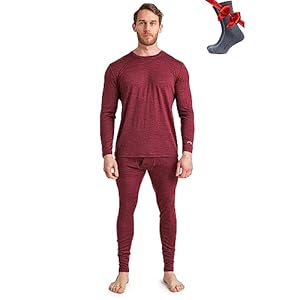
Thermoregulation affects how quickly muscles recover. Breathable layers wick sweat during warm-ups and help you cool down efficiently, while lightweight thermal or merino base layers help maintain warmth on rest days in cooler climates. A high-quality base layer can keep muscles at a stable temperature without overheating; consider products like the Merino.tech Merino Wool Base Layer for temperature control during recovery days.
Programming: how to plan recovery into training
Recovery isn’t a separate activity—it’s built into training. Schedule easy days, deload weeks, and active recovery sessions. Prioritize harder efforts when you are well-rested, and use objective signals (sleep quality, resting heart rate, mood) plus performance markers (speed, power, perceived exertion) to guide volume and intensity. When in doubt, reduce volume before intensity—maintain quality while trimming workload.
Checklist: quick post-workout recovery steps
- Within 30–90 min: consume carbs + 20–40 g protein (adjust to session type).
- Rehydrate: water + electrolytes if sweat loss was high.
- 10–20 minutes of gentle movement or mobility work.
- 10 minutes of foam rolling or 1–2 minutes per muscle group on percussion.
- Apply topical balm or gentle self-massage for tight areas when needed.
- Prioritize 7–9 hours of sleep and maintain consistent sleep timing.
- Track rest metrics and adjust training load if recovery markers are poor.
FAQ
Q: How long should I wait to do intense training again?
A: Base timing on soreness, sleep, and performance markers. If you can perform target lifts or intervals at planned intensity with good form and similar power output, it’s likely safe to proceed. If not, schedule an easy or technique-focused session instead.
Q: Is ice or heat better after a workout?
A: Use ice for acute inflammation or sharp pain; use heat for tight, stiff muscles before mobility work. Contrast methods can help circulation but should be applied based on comfort and specific symptoms.
Q: Can supplements speed recovery?
A: Certain supplements—whey or other proteins, creatine, and targeted post-workout products—can support recovery when used with proper nutrition and sleep. Supplements are adjuncts, not replacements for the basics.
Q: How often should I use tools like vibration platforms or percussion devices?
A: Use them for short sessions (3–15 minutes) post-workout or on recovery days. Excessive use can irritate tissues; follow manufacturer guidance and listen to how your body responds.
Q: What if soreness lasts more than a week?
A: Persistent or worsening pain, functional loss, or swelling beyond a week is a sign to consult a qualified healthcare provider for assessment. Use conservative measures in the meantime: reduce load, maintain mobility, and prioritize sleep and nutrition.
Conclusion: one practical takeaway
Make recovery predictable: plan your post-workout meal, schedule a short active recovery window, prioritize sleep, and use one or two supportive tools consistently. Small, repeatable habits win—build them into your routine and track the results to keep improving.
Products Featured in This Article

Power Plate MOVE, Vibrating Exercis…
VIBRATION PLATFORM: The new MOVE by Power Plate can cover a wide range of functionality with…

Homedics SoundSleep White Noise Sou…
White Noise Sound Machine: The Homedics White Noise Sound Machine includes 6 digitally recorded relaxing sounds…

Garmin 010-12883-00 HRM-Dual Heart …
HRM dual features a soft strap that is comfortable and adjustable Simply remove the heart rate…

Banyan Botanicals Muscle Balm – O…
SUPPORT HAPPY MUSCLES with the rejuvenating power of Ayurvedic herbs. In this blend, the nurturing quality…