
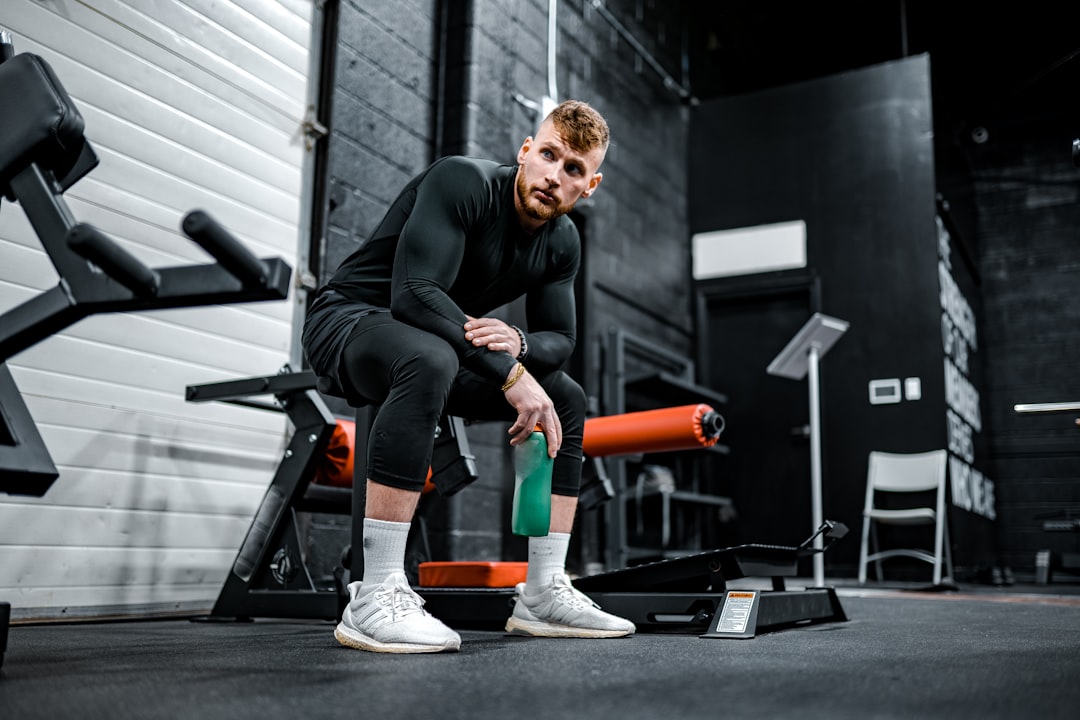
Busy schedules don’t mean you have to sacrifice recovery. With smart habits and a few targeted tools, you can rebuild energy, reduce soreness, and stay consistent without long downtime. This guide gives practical, time-efficient recovery tips tailored to people who juggle work, family, and fitness.
Each tip focuses on actions you can fit into short gaps in your day — between meetings, commuting, or while dinner cooks. Use what fits your routine and combine a few strategies to compound benefits over weeks.
Why recovery matters for busy people
Short training sessions are effective, but without recovery they compound fatigue and reduce performance. Efficient recovery keeps your immune system functional, improves sleep quality, and preserves gains even when you train less frequently. Think of recovery as part of your training plan — not optional downtime.
Prioritize short sleep boosts and better nightly sleep
When nights are short, a 20–30 minute nap or a consistent bedtime routine can make a big difference. White noise, consistent temperature, and a pre-sleep wind-down help signal your body to repair. A compact machine can make naps and sleep more reliable when your environment is noisy; consider a compact solution like the Homedics SoundSleep White Noise Sound Machine for consistent, travel-friendly sound masking.
Nutrition for fast recovery
Busy people need focused nutrition: protein soon after training and steady carbs to refill glycogen if sessions are intense. If you prefer supplements or a reliable post-workout option, a formulated recovery product can simplify getting key nutrients quickly. A post-workout blend with protein, zinc, and magnesium can support muscle recovery when food isn’t convenient — for example, Optimum Nutrition Muscle Recovery fits into a compact routine for days you can’t prepare a full meal.
Quick recovery snacks and portable fuel
Keep ready-to-go options so you don’t skip recovery nutrition: single-serve shakes, bars, or a small pouch of nuts plus fruit. Ready-to-drink options are particularly useful after short sessions or morning workouts when you have five minutes before a meeting. Browse quick choices categorized under Ready to Drink Shakes to decide what fits your taste and schedule.
Micro-recovery strategies during the day
Little actions repeated daily add up: 5–10 minutes of light mobility, a short walk, or breathing exercises. Snacks matter too — choose lower-sugar, nutrient-dense options to avoid energy crashes. Keep a stash of portioned options from the Healthy Snacks & Beverages category for consistent energy between meals and to support recovery without lots of prep time.
Smart movement, mobility, and self-massage
Active recovery sessions should be short and purposeful: joint-focused mobility, gentle yoga flows, and rolling or vibration tools for tight areas. If you want an investment that accelerates warmups and assists with muscle relaxation after a condensed session, a vibration platform can increase blood flow and feel efficient for busy routines — for example the Power Plate MOVE.
Use tech to track recovery and guard against overreaching
Simple metrics make it easier to decide when to push and when to rest. Track sleep duration, resting heart rate, and perceived energy. If you use heart-rate–based sessions or want accurate HR data during training and recovery sessions, a reliable monitor like the Garmin 010-12883-00 HRM-Dual Heart Rate Monitor pairs with devices and helps you see trends without guesswork.
Stress management and short relaxation practices
Recovery isn’t just physical. Mental stress elevates cortisol and slows repair. Small rituals — 5 minutes of breathing, a short walk outside, or a focused relaxation cue — reduce sympathetic activation. Aromatherapy can support a quick wind-down after a hectic day; a convenient option is the Glade Aromatherapy Essential Oil Diffuser Refill for a calming scent in small spaces.
Active recovery sessions you can fit into lunch breaks
Short, low-intensity workouts stimulate circulation without adding stress. A 20–30 minute walk, a slow bike ride, or a mobility circuit keeps you moving and helps muscle repair. Add a targeted 10–15 minute yoga flow for flexibility and nervous system balance; if you prefer structured routines, explore options in the Yoga category for flows that match short time windows.
- Keep a simple recovery kit: portable protein, a small mobility tool, and earplugs or a white-noise device for quick naps.
- Prioritize sleep blocks of 90 minutes or a consistent 7+ hour window where possible.
- Track one recovery metric (resting HR or sleep hours) and adjust training load weekly.
- Use active recovery days instead of total rest if life makes full rest impractical.
- Plan meals and snacks ahead to avoid skipping post-workout nutrition.
Conclusion — practical takeaway
Small, consistent recovery practices beat sporadic long rests. Prioritize sleep quality, simple post-workout nutrition, short mobility sessions, and one measurable recovery metric. Fit tools and products into routines so recovery is easy to execute on busy days.
FAQ
How long should a recovery nap be?
Aim for 20–30 minutes to reduce grogginess while getting a meaningful boost of alertness. If you can schedule a full sleep cycle, 90 minutes is better for deeper recovery.
Can a supplement replace a post-workout meal?
Supplements can be a practical substitute when a whole meal isn’t possible; look for one with protein and electrolytes. They’re convenient but consistent whole-food meals are ideal when time allows.
How often should I do active recovery?
Include at least one active recovery session per week and use short, low-intensity movement after most hard workouts. Adjust based on how you feel and simple tracking metrics like sleep and resting HR.
Which quick tools are worth buying?
Prioritize items that save time and target major recovery needs: a compact white-noise machine for sleep consistency, a trusted post-workout supplement, and a small tool for mobility or vibration therapy can all be worthwhile.
Is stretching enough to reduce soreness?
Stretching helps mobility but pairing it with light movement, hydration, protein intake, and sleep gives better overall recovery. Use stretching as one element in a broader, time-efficient routine.
Products Featured in This Article

Power Plate MOVE, Vibrating Exercis…
VIBRATION PLATFORM: The new MOVE by Power Plate can cover a wide range of functionality with…

Homedics SoundSleep White Noise Sou…
White Noise Sound Machine: The Homedics White Noise Sound Machine includes 6 digitally recorded relaxing sounds…

Optimum Nutrition Muscle Recovery a…
One 180 tablet container (60 day supply) of Optimum Nutrition Zinc Magnesium Aspartate Supplement Each 3-tablet…

Garmin 010-12883-00 HRM-Dual Heart …
HRM dual features a soft strap that is comfortable and adjustable Simply remove the heart rate…

Glade Aromatherapy Essential Oil Di…
Relax the mood with Calm Mindi n the air. Feel the dual blend of Italian Bergamot…