
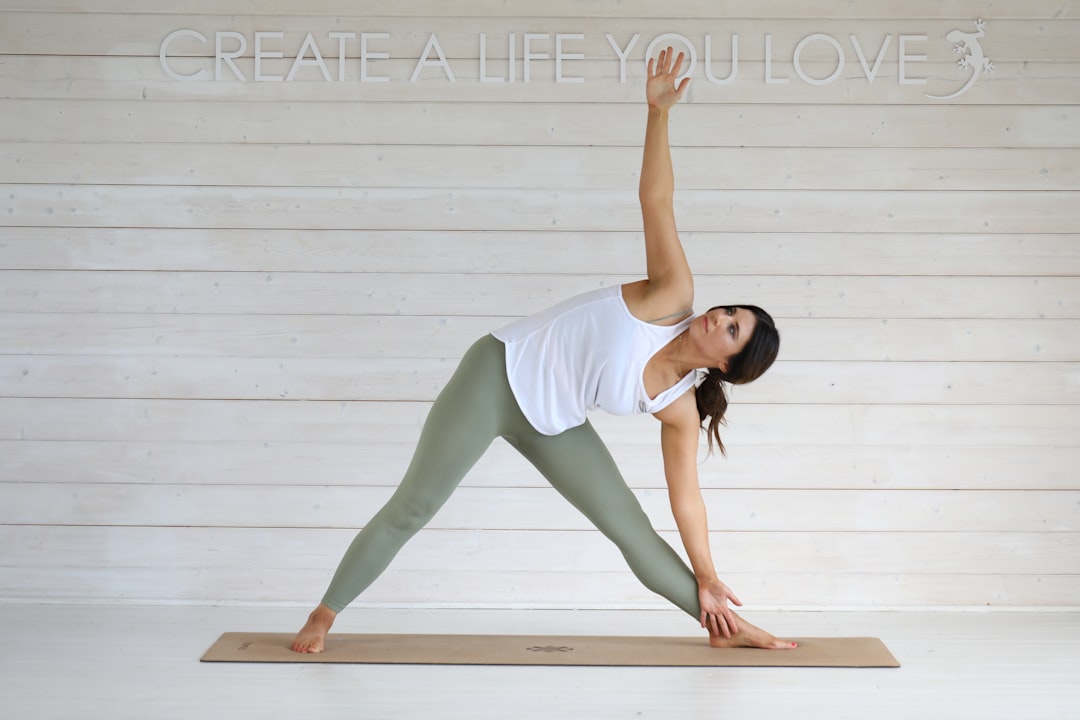
Intro
Good posture isn’t just about standing tall for photos — it’s a foundation for better workouts, less fatigue, and fewer aches during the day. Small, consistent adjustments to how you sit, stand, move and train can produce noticeable improvements in comfort and performance.
Start with practical habits, targeted exercises, and the right gear. Lightweight supportive clothing and movement-friendly layers make it easier to hold good posture during training and long days; consider investing in quality Activewear that fits well and doesn’t restrict mobility.
Why posture matters for fitness and daily life
Posture affects breathing, balance, and how forces travel through your joints during exercise. Poor alignment increases strain on weaker muscles and compensatory patterns — which can reduce strength gains and raise the risk of overuse pain. Tracking basic movement and daily activity helps you identify patterns of prolonged sitting or slouching; simple devices like a 3D Pedometer for Walking can prompt more consistent movement and awareness throughout the day.
Common posture problems and simple fixes
Rounded shoulders, forward head position, and a tucked or overarched lower back are common. Immediate, practical fixes include: raising your screen to eye level, pulling shoulder blades lightly together and down, and using micro-breaks to reset your spine. Regular stretching and mobility work can undo tissue tightness that keeps you stuck in poor positions — a focused routine from the Yoga category is often helpful for chest opening, thoracic mobility and hip flexibility.
Daily habits that support posture
Consistent daily habits beat occasional intense efforts. Stand and walk every 30–60 minutes, adjust your desk and chair to maintain a neutral spine, and use active sitting strategies (foot placement, slight forward tilt of pelvis) to encourage upright alignment. If you spend long hours working, consider adding movement without interrupting flow: an under-desk or compact treadmill like the 12% Incline Walking Pad Treadmill is a practical option to break up sitting and reinforce upright posture through gentle walking.
Posture-improving exercises: focus on core and back
Strong, well-coordinated core and back muscles create the support system your spine needs. Prioritize these movement themes: anti-flexion/extension core control (planks, dead bugs), scapular retraction and depression (rows, face pulls), and thoracic extension mobility. Include balanced progressions and aim for control over load — follow structured programming in the Strength Training category to build resilience rather than just adding weight quickly.
Tools and equipment that help posture during training
Small training tools can enhance awareness and muscle recruitment. Core sliders let you challenge stability through controlled, full-range movements; products like the SKLZ Slidez Dual-Sided Exercise Glider Discs are useful for lunges, pikes, and controlled slide-outs that target anti-extension strength.
For progressive resistance that supports posture-focused strength work, adjustable weights allow safe loading and small jumps in difficulty — consider an Adjustable Dumbbell Set of 2 for rows, single-arm presses, and loaded carries that reinforce upright torso mechanics.
Recovery, breathing and stress management
Recovery matters for posture because tight, inflamed tissues and high sympathetic tone (stress) shorten muscles and reduce movement quality. Simple self-care—soft tissue work, breathing, and topical relief—helps. Natural balms made for sore muscles, like Banyan Botanicals Muscle Balm, can ease localized tightness after sessions and encourage better tissue length during stretching.
Integrating posture into your workouts
Make posture cues part of every set. Before each exercise reset your neutral spine, breathe into the belly to establish intra-abdominal pressure, and choose tempos that prioritize control over momentum. Combine weighted practice with mobility drills and frequent resets to teach the nervous system that upright alignment is the default during movement.
Small checklist: quick posture wins
- Sit tall: hips slightly higher than knees, feet flat on floor.
- Screen height: top of monitor at eye level to avoid forward head.
- Micro-movement: stand or walk for 2–5 minutes each hour.
- Daily mobility: thoracic extension and pec stretches (2–3 min total).
- Two posture-focused strength sessions per week (rows, carries, anti-extension work).
- Use supportive gear and tools to reinforce form during training.
FAQ
-
Q: How quickly will posture improve?
A: Small changes can reduce discomfort in days; lasting structural and strength improvements typically take 6–12 weeks of consistent practice.
-
Q: Do I need special equipment?
A: No — many posture gains come from habits and bodyweight exercises. Equipment like sliders and adjustable dumbbells speeds progress and adds variety.
-
Q: Can posture training reduce back pain?
A: Strengthening and mobility that address your specific imbalances often reduce common aches, though individual results vary and persistent pain should be evaluated professionally.
-
Q: How do I maintain posture while running or lifting heavy?
A: Focus on a strong core brace, shoulder retraction, and a tall thorax. Use progressive loads and technique drills to reinforce posture under fatigue.
-
Q: What’s one simple daily rule?
A: Move every hour and reset your posture for 30 seconds — it’s the most consistent habit change to prevent long-term decline.
Conclusion
Better posture is the sum of small, repeatable habits: consistent movement, targeted strength, thoughtful recovery, and practical gear when needed. Start with one habit from the checklist, add a posture-focused exercise twice weekly, and use simple tools to reinforce progress — the combination will improve both your workouts and everyday comfort.
Products Featured in This Article

3D Pedometer for Walking, Simple Wa…
Accuracy: The step tracker has advanced 3D Tri-Axis Sensor technology, that provides superior accuracy in any…

12% Incline Walking Pad Treadmills,…
TREADMILL WITH HANDLE: The handlebar provides added stability and support during your workout. COMPACT AND CONVENIENT…

Adjustable Dumbbell Set of 2, 4 in …
【Please make sure to choose authentic products and select only FBA】Specially Designed for Women: Zempox adjustable…

SKLZ Slidez Dual-Sided Exercise Gli…
Low friction material slides smoothly on virtually any surface Use anywhere training aid that builds core…

Banyan Botanicals Muscle Balm – O…
SUPPORT HAPPY MUSCLES with the rejuvenating power of Ayurvedic herbs. In this blend, the nurturing quality…