
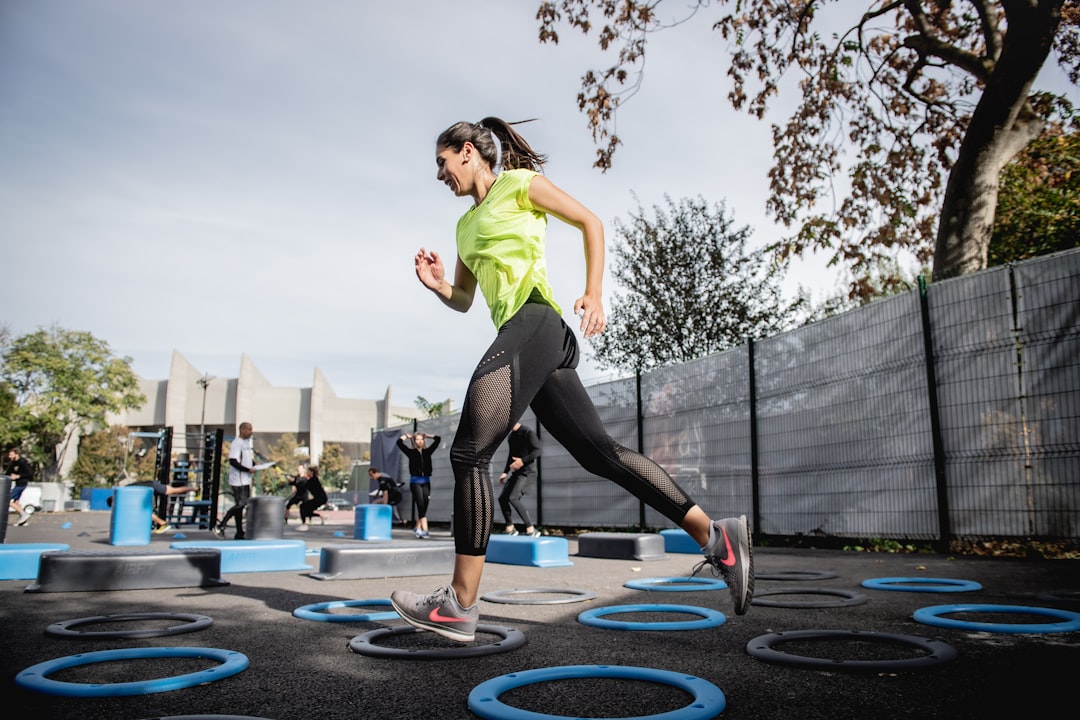
Long-term fitness is less about short bursts of intensity and more about sustainable habits that compound over months and years. Small, consistent changes to movement, nutrition, recovery, and mindset produce the results you keep. This post lays out practical approaches you can implement today and maintain for the long haul.
These habits focus on consistency, clear priorities, and realistic progress tracking. Below are actionable strategies, gear suggestions, and a checklist to help you create a reliable routine that fits your life.
Set Specific, Sustainable Goals
Start with clear, measurable goals that match your lifestyle. Instead of “get fitter,” choose targets like “walk 10,000 steps five days a week,” “complete two 30-minute strength sessions per week,” or “sleep seven hours nightly.” Short-term milestones (4–8 weeks) help maintain motivation and allow you to adjust without derailing progress.
Prioritize Strength Training for Long-Term Gains
Strength training preserves muscle, supports metabolism, and improves daily function as you age. Aim for 2–4 sessions per week that target major muscle groups. Structure workouts around compound movements—squats, deadlifts, presses, and rows—and progress by adding load, reps, or sets gradually.
If you’re building a home routine, invest in versatile gear that makes consistency easier, like a solid dumbbell set or adjustable option for small spaces: Strength Training and a selection from the Weights category help you scale workouts as you progress.
Make Cardio Practical and Enjoyable
Cardio supports heart health, stamina, and recovery. The best cardio is the kind you do regularly—consider brisk walking, cycling, or interval-style sessions. For home setups, machines that fit your space and schedule remove friction. A compact treadmill or walking pad can create consistent daily movement opportunities: Cardio Training.
Nutrition That Supports Daily Performance
Eating to fuel your workouts and recovery doesn’t require extreme diets. Focus on balanced meals with protein at each sitting, vegetables or whole-food carbs for energy, and healthy fats for satiety. Meal planning and simple portions reduce decision fatigue and keep you consistent.
For quick on-the-go support, look through practical options in the broader Nutrition category—whole-food snacks, ready-to-drink options, and supplements that fit your goals.
Build Recovery and Sleep Into the Plan
Recovery is where adaptation happens. Prioritize sleep quality, active recovery days, mobility work, and targeted relaxation. Even brief nightly routines—wind-down screens off 30–60 minutes before bed, consistent sleep times, and a calming pre-sleep ritual—yield measurable gains over weeks.
Products that support a restful environment and post-workout recovery are useful tools. Browse calming, recovery-focused items in the Wellness selection to help establish reliable recovery habits.
Design Your Environment and Gear for Consistency
Remove friction by placing equipment and clothing where you’ll use them. Laying out workout clothes the night before increases adherence. Technical gear that fits and feels good reduces excuses—breathable layers, supportive shoes, and gloves for grip can make sessions more comfortable.
Explore functional apparel and supportive gear in the Activewear and Accessories categories to streamline your routine and minimize wasted time getting ready.
Track Progress with Simple Metrics
Choose 2–4 metrics that reflect your goals: workout frequency, weight lifted, daily steps, sleep hours, or body measurements. Track them weekly rather than obsessing daily. Objective measures and short-term charts reveal trends and show what needs adjustment.
For reliable, low-effort tracking, consider basic fitness tech to automate data collection. A step tracker, heart rate monitor, or simple pedometer can keep you honest without manual logging: Fitness Technology.
Make Progression Predictable, Not Aggressive
Progression should be planned and incremental to avoid injury and burnout. Use progressive overload in strength work, flip between steady-state and interval cardio, and add volume slowly. If time is limited, prioritize intensity over duration while keeping overall weekly training volume steady.
When space or budget is a constraint, focus on multipurpose equipment that supports progressive overload. A well-chosen selection from the Weights range or modular pieces lets you advance without constant replacements.
Small Habits That Compound
Small daily behaviors—standing more, taking short walks after meals, choosing stairs, consistent meal prep—stack into large outcomes. Emphasize behaviors you can maintain for months and years rather than one-off extremes. Habit design (trigger, routine, reward) helps cement new actions.
Checklist: Habits for Long-Term Results
- Set 1–3 clear, measurable goals for 4–12 weeks.
- Schedule strength sessions 2–4 times per week.
- Log workouts and 1–2 objective metrics weekly.
- Plan meals or healthy snacks to support training.
- Prioritize 7+ hours of sleep and active recovery days.
- Use gear that reduces friction (comfortable activewear, basic accessories).
- Review and adjust the plan every 4–8 weeks.
Frequently Asked Questions
- How often should I change my routine?
Rotate or tweak one variable every 4–8 weeks—load, volume, exercise selection—to avoid plateaus while keeping a consistent framework.
- Can I get results with limited equipment?
Yes. Bodyweight progressions, resistance bands, or a compact dumbbell set can deliver strong gains. Consider efficient multi-use items from the Weights category for gradual progression.
- What’s a practical cardio goal for beginners?
Start with 20–30 minutes of brisk walking or light cycling 3–5 times weekly. Increase intensity or duration by ~10% per week based on comfort and recovery.
- How do I make healthy eating easier long term?
Prioritize meal prep, keep balanced ready-to-eat options, and swap one processed snack per day for a whole-food alternative. The Nutrition category includes options that support this approach.
- Which apparel helps with consistent workouts?
Comfortable, moisture-wicking pieces reduce distraction and increase motivation. Browse practical options in Activewear, choosing items you’ll actually wear.
Conclusion
Long-term fitness comes from consistent, sustainable habits: prioritized strength work, regular movement, balanced nutrition, recovery, and simple tracking. Start small, pick tools that reduce friction, and focus on steady progression. The most effective plan is the one you can maintain—so build systems that fit your life and refine them over time.