
Choosing the right fitness gear makes workouts safer, more comfortable, and more effective. Whether you train at home, in a gym, or outdoors, the gear you pick should match your goals, space, and budget.
This guide breaks down how to select clothing, equipment, tech, and recovery tools so you buy what actually helps your routine—not what looks good in an ad.
Start with your goals and routine
First, be specific: are you focused on strength, cardio endurance, mobility, or weight loss? Your priorities determine the type of gear that adds true value. For strength-focused plans, look for solid base equipment; for endurance, think cardio machines or tracking tools. If you’re unsure, browse the Strength Training category to see common options for progressive resistance and accessory lifts.
Clothing and footwear: fit, fabric, and function
Your workout clothes should move with you and manage sweat without chafing. Lightweight, breathable pieces with flat seams work well for high-intensity sessions; slightly thicker, insulating layers are useful for outdoor or cold-weather training. Start with a small, high-quality wardrobe rather than many cheap items—better fabric lasts through more washes.
Footwear needs to match the activity: running shoes for mileage, cross-trainers for mixed gym work, and minimalist shoes for specific drills. If you favor cross-training or gym classes, consider proven options like the Inov-8 Women’s F-lite G 300 for multi-directional support and traction.
For general shopping, explore the full selection under Activewear to compare fabrics, fits, and performance features across brands.
Cardio gear: pick for space and purpose
Cardio equipment ranges from compact jump ropes to full treadmills. When space is limited, consider foldable or under-desk options; when training for speed or hills, choose machines with incline and durable motors. If you prefer browsing categories before committing, the Cardio Training section shows common machine types and specs to compare.
For home walking and light running that won’t dominate your living area, portable, low-profile treadmills like the 12% Incline Walking Pad Treadmills are a practical compromise—compact, foldable, and often quieter than full-size models.
Strength equipment: buy what supports progress
For resistance training, prioritize equipment that scales with your improvement. Fixed light weights are fine for beginners, but adjustable or modular tools save space and money long term. Look for sturdy handles, secure adjustment mechanisms, and clear weight increments.
If you’re equipping a small home gym, adjustable dumbbells are one of the most cost-effective, space-efficient choices; they replace multiple fixed sets and adapt as you gain strength. A good example is the Adjustable Dumbbell Set, which lets you change loads quickly for circuit work and progressive overload.
For heavier lifts, check the broader Strength Training offerings for racks, benches, and accessories that match your desired exercises and safety needs.
Accessories and tech: prioritize utility
Accessories—gloves, straps, mats, handles—should enhance performance or protect you from injury. Choose durable materials and ergonomic designs for anything you’ll use frequently.
Fitness technology is useful for tracking progress and accountability. From simple pedometers to heart-rate monitors and smart trackers, pick devices that offer the metrics you’ll actually use. Browse the Fitness Technology collection to find trackers and heart-rate tools that fit beginner to advanced needs.
Nutrition and recovery gear that support training
Supplements and recovery products can help when paired with a sound diet and consistent training. Prioritize quality, transparent ingredient lists, and products that suit your goals—protein and post-workout recovery blends for strength sessions, electrolytes for long cardio sessions, and general wellness support for overall health.
For example, a formulated recovery supplement like Optimum Nutrition Muscle Recovery can be a convenient addition after heavy lifting or repeated sessions to support sleep and muscle repair—use it as part of a broader recovery plan, not a substitute for rest and nutrition.
Maintenance, safety, and budget planning
Choose equipment you can maintain: wipe down sweat-prone gear, tighten fasteners periodically, and store electronics in dry conditions. For safety, use spotters or racks for heavy lifts, read machine manuals, and replace worn straps or pads.
On budget: prioritize core items that unlock the most workouts—a reliable shoe, adjustable dumbbells, a durable mat, and a simple tracker—then add specialty pieces as your routine demands and budget allows.
Checklist: What to buy first
- Comfortable, activity-appropriate footwear and a basic set of breathable activewear.
- One adjustable resistance tool (dumbbells or kettlebells) for strength progression.
- A cardio option that fits your space (jump rope, foldable treadmill, or bike).
- Simple fitness tracker or heart-rate monitor to measure effort and recovery.
- Post-workout recovery supplement or strategy and a sleep/recovery routine.
- Essential accessories: mat, gloves or grips, and hydration container.
FAQ
- How do I choose between adjustable dumbbells and a full weight set?
Adjustable dumbbells save space and cost while covering most progressive needs. Choose a full set only if you need very high fixed loads or plan heavy barbell training at home.
- Which tracker metrics matter most?
For most people: heart rate zones, steps or active minutes, and basic sleep tracking. Use data to guide intensity and recovery, not to chase perfect numbers.
- Can I rely on home cardio machines for serious training?
Yes—quality treadmills, bikes, and rowers can support structured workouts. Match machine specs (incline, speed, resistance) to your training goals and space constraints.
- What should I spend more on: shoes or a fitness tracker?
Shoes. Proper footwear reduces injury risk and affects every session; tech adds insight but won’t prevent discomfort from a bad shoe choice.
- Are recovery supplements necessary?
Not strictly—prioritize sleep, protein intake, and mobility work. Targeted supplements can help fill gaps when used responsibly as part of a recovery plan.
Practical takeaway: match purchases to the activities you do most—invest first in good footwear, a flexible strength tool like adjustable dumbbells, and one cardio option that fits your space. Add tech and recovery items to support consistency, and maintain gear so it lasts.
Products Featured in This Article
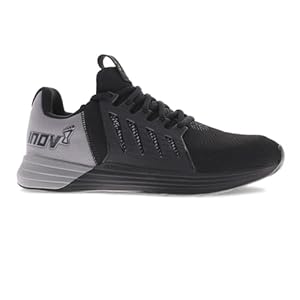
Inov-8 Women’s F-lite G 300 C…
Take on the toughest workouts with the even-tougher inov-8 F-Lite G 300 Training Shoes. A versatile…

12% Incline Walking Pad Treadmills,…
TREADMILL WITH HANDLE: The handlebar provides added stability and support during your workout. COMPACT AND CONVENIENT…

Adjustable Dumbbell Set of 2, 4 in …
【Please make sure to choose authentic products and select only FBA】Specially Designed for Women: Zempox adjustable…

Optimum Nutrition Muscle Recovery a…
One 180 tablet container (60 day supply) of Optimum Nutrition Zinc Magnesium Aspartate Supplement Each 3-tablet…