
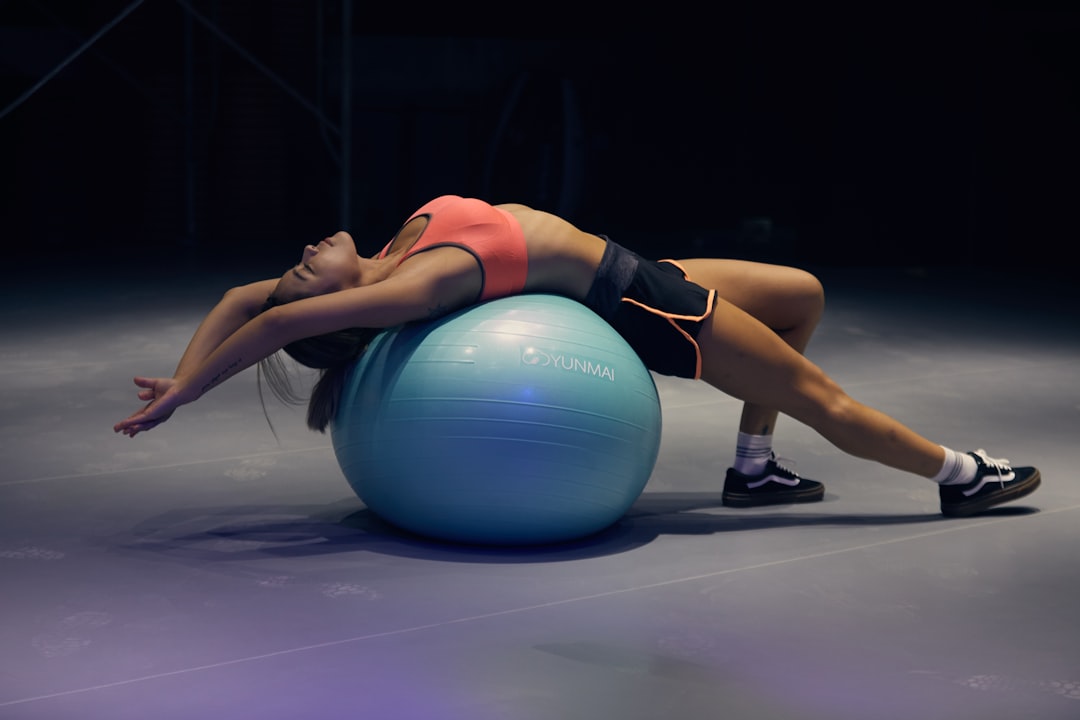
How to Cool Down After a Workout the Right Way
Cooling down after a workout is as important as the workout itself. A proper cooldown helps normalize heart rate, clear metabolic byproducts, reduce muscle tightness, and set you up for faster recovery. For a holistic approach that supports both performance and rest, think of cooldowns as the bridge between training and recovery, connecting movement, nutrition, topical care, and rest.
Small, consistent cooldown habits compound. If you pair active recovery with targeted nutrition and tools focused on soothing the nervous system, you’ll recover faster and feel better day to day—whether you’re training for strength, endurance, or simply fitness. For products that support this routine, explore options in recovery and wellness to find supplements, balms, and tools that fit your needs.
Why a proper cooldown matters
A cooldown reduces the sudden drop in blood return to the heart that can occur after intense exercise, helps remove lactate and other byproducts from working muscles, and begins the process of returning connective tissue to a relaxed state. Ignoring cooldowns increases post-exercise soreness and can prolong recovery. Even ten minutes of structured cooldown beats a rushed finish.
Start with light aerobic movement
After your last hard set or interval, don’t stop abruptly. Spend 5–10 minutes doing low-intensity movement: walk, easy cycling, or slow jogging. This low-grade activity keeps blood flow moving through the muscles so metabolic waste is cleared more efficiently and heart rate comes down gradually.
If you like tracking effort and recovery markers, a reliable heart rate monitor can help you see when your heart rate returns to a comfortable zone, which is a useful cue that active cooldown is complete.
Stretching and mobility: prioritize movement quality
Follow light aerobic movement with 5–10 minutes of mobility and stretching. Start with dynamic, gentle joint rotations for hips, shoulders, and ankles, then move into short-duration static stretches (20–30 seconds) for muscles you worked most. Focus on breathing slowly and avoiding aggressive pushing—this is about relaxation and length, not improving range of motion under load.
Yoga-based stretches are excellent for cooldowns because they combine breath work with controlled mobility. Try a few simple poses that open the hips and spine and calm the nervous system; you can explore guided options in the yoga category for routines that work well after workouts.
Foam rolling and self-massage
Foam rolling (self-myofascial release) and targeted self-massage encourage circulation, reduce tight spots, and improve tissue pliability. Spend 1–2 minutes on each major muscle group you trained—quads, hamstrings, glutes, calves, lats—rolling slowly and pausing on tender points for 20–30 seconds.
Tools like rollers, massage balls, and manual massagers live in the accessories category and are great investments if you want consistent, at-home recovery without expensive therapist visits.
Topical applications: balms, gels, and cooling creams
After rolling or light stretching, consider a topical balm or gel for localized soreness. These products don’t replace proper recovery habits, but they can reduce discomfort and make it easier to move in the hours after training. Look for products that include soothing botanicals or warming/cooling ingredients depending on preference.
For a tried-and-true herbal option meant for sore muscles, consider the Banyan Botanicals Muscle Balm—it’s formulated to support circulation and soothe tight areas after work or training.
Post-workout nutrition and rehydration
Cooling down isn’t only movement and tools—what you put back in your body matters. Within 30–60 minutes after exercise, prioritize a mix of high-quality protein and carbohydrates to start muscle repair and replenish glycogen, along with electrolytes if you sweated heavily. Water is essential; add a pinch of salt or an electrolyte mix for longer sessions.
You’ll find a broad selection in the sports nutrition category suited for different goals. For targeted recovery support, consider a dedicated product such as Optimum Nutrition Muscle Recovery, which contains minerals that support muscle relaxation and nightly recovery routines when used as directed.
Sleep, parasympathetic activation, and relaxation
Cooldowns extend beyond the gym. Evening recovery hinges on quality sleep and parasympathetic (rest-and-digest) activation. Simple practices—warm shower, light stretching, dim lights, and consistent bedtimes—help you capitalize on the workout you did earlier in the day.
For some people, a short sound-therapy routine or white-noise session helps them fall asleep faster after evening workouts. If ambient noise is an issue or you want a portable sleep aid, a small sound machine can be effective; consider products like the Homedics SoundSleep white noise machine.
When to scale back your cooldown
Not every workout needs the full 20–30 minute cooldown routine. For light-maintenance days a 5–10 minute active cooldown plus a couple of stretches is fine. On high-intensity or long-duration days, invest more time in mobility, rolling, nutrition, and rest. Use subjective measures—muscle soreness, heart rate variability, sleep quality—to adjust how much recovery you add.
Quick cooldown checklist
- 5–10 minutes of light aerobic movement (walking, easy cycling)
- 5–10 minutes of mobility and gentle stretching (dynamic → short static holds)
- 1–2 minutes per muscle group of foam rolling or self-massage
- Topical balm for persistent soreness as needed
- Protein + carbs and water/electrolytes within 30–60 minutes
- Wind-down routine before bed: dim lights, relaxed breathing, consistent schedule
Conclusion — one practical takeaway
Make cooldowns simple and consistent: 10–15 minutes of low-intensity movement, targeted mobility, quick rolling, and timely nutrition. Pair that with at least one recovery tool or habit (topical balm, a good accessory, or sleep routine) to accelerate the benefits.
FAQ
Q: How long should I cool down after a typical gym session?
A: Aim for 10–15 minutes total—5–10 minutes of easy aerobic movement followed by 5–10 minutes of mobility and light stretching. Extend this after intense or long workouts.
Q: Is static stretching right away after lifting weights?
A: Use short-duration static holds (20–30 seconds) after an initial active cooldown. Reserve aggressive static stretching for separate flexibility sessions or after muscles are warm and relaxed.
Q: Can I skip post-workout nutrition if I eat well during the day?
A: If your overall daily intake meets your training demands, an immediate post-workout snack isn’t mandatory every time. Still, a balanced recovery snack or supplement is useful after hard sessions to speed repair and glycogen restoration.
Q: Will foam rolling make me sore?
A: Rolling can be uncomfortable on tight spots but should not cause sharp pain or lasting soreness. Move slowly and back off pressure if you experience intense pain; treat it as an occasional release rather than aggressive tissue destruction.
Q: How does sleep affect recovery after workouts?
A: Sleep is when a large proportion of repair and hormonal regulation happens. Prioritizing quality sleep significantly improves recovery, reduces injury risk, and enhances gains. Create a calming pre-sleep routine and a consistent bedtime.
Q: When should I see a professional for recovery problems?
A: If pain persists beyond normal post-exercise soreness, or if you notice swelling, loss of function, or irregular symptoms, consult a qualified healthcare or physical therapy professional for assessment and individualized care.
Products Featured in This Article

Homedics SoundSleep White Noise Sou…
White Noise Sound Machine: The Homedics White Noise Sound Machine includes 6 digitally recorded relaxing sounds…

Optimum Nutrition Muscle Recovery a…
One 180 tablet container (60 day supply) of Optimum Nutrition Zinc Magnesium Aspartate Supplement Each 3-tablet…

Garmin 010-12883-00 HRM-Dual Heart …
HRM dual features a soft strap that is comfortable and adjustable Simply remove the heart rate…

Banyan Botanicals Muscle Balm – O…
SUPPORT HAPPY MUSCLES with the rejuvenating power of Ayurvedic herbs. In this blend, the nurturing quality…