

How to Improve Workout Performance Naturally
Improving workout performance doesn’t require complex protocols or expensive drugs. Small, consistent changes to how you eat, move, recover and track progress produce the biggest gains over months and years.
This guide lays out practical, science-aligned habits you can adopt today—nutrition, hydration, sleep, mobility, strength and cardio strategies, plus plain-language guidance on gear and supplements that actually support natural performance improvement.
1. Eat for performance: timing, composition, and real food
What you eat and when you eat it has a big impact on strength, endurance and recovery. Aim for balanced meals with protein, carbs and healthy fats. Prioritize a moderate pre-workout meal 60–90 minutes before hard training to fuel intensity, and a protein-rich snack within 30–60 minutes after to support muscle repair.
For a place to start exploring products that support training nutrition, see our Nutrition category for protein options, snacks and mixes that fit real-food habits.
2. Hydration and electrolyte strategy
Even mild dehydration reduces power output, cognitive focus and perceived exertion. Drink water consistently across the day; add electrolytes for sessions longer than 60 minutes or in hot conditions. A practical habit: weigh yourself before and after long workouts to estimate sweat loss and replace ~150% of fluid lost over the next few hours.
3. Sleep and recovery: the non-negotiable performance booster
Quality sleep is the single most powerful recovery tool you control. Aim for regular bed and wake times, 7–9 hours per night, and reduce late-night screen exposure. Napping (20–30 minutes) can also restore performance when nights are short.
Recovery extends beyond sleep: schedule lower-intensity days, use active recovery like walking or easy cycling, and apply focused soft-tissue work to stiff areas. Consistent recovery allows you to train harder with fewer setbacks.
4. Warm-up, mobility and movement quality
Start every session with a structured warm-up: general movement to raise heart rate (3–5 minutes), dynamic mobility for joints you’ll use, and movement-specific activation sets at low loads. This sequence improves muscle recruitment, reduces injury risk and makes your working sets more productive.
Choosing the right footwear can influence movement patterns and comfort during training—especially for cross-training and mixed workouts. For women seeking a stable, versatile cross-trainer, consider the Inov-8 Women’s F-lite G 300, which balances grip, flexibility and durability for varied sessions.
5. Strength training: progressive overload and practical programming
Strength underpins nearly every athletic quality. Use the principle of progressive overload: gradually increase weight, reps, sets or density over weeks. Prioritize compound lifts—squats, deadlifts, presses, rows—and keep technique clean. For many trainees, 2–4 strength sessions per week while managing volume is an effective sweet spot.
If you don’t have a full rack at home, simple tools still work. Browse our Weights category for kettlebells, plates and weight vests you can incorporate into progressive plans.
For compact, adjustable resistance at home, an Adjustable Dumbbell Set provides multiple loading options without taking up a lot of space—ideal for gradual progression and quick supersets.
6. Cardio and conditioning: target intensity and purpose
Cardio is not one-size-fits-all. Match modality and intensity to goals: steady-state for base aerobic capacity, interval work for VO2 and power, and tempo or threshold work for race/competition preparation. Keep most training at moderate intensity, and place high-intensity days where recovery allows.
If you need a reliable, compact cardio option for consistent training, check our Cardio Training selection for treadmills, walkers and other conditioning tools that make adherence easier.
7. Gear, tech and objective feedback
Simple devices that measure load, heart rate or steps provide actionable feedback that improves training decisions. Track trends—sleep, weekly volume, heart-rate variability or average training intensity—to avoid chronic overreach and to time harder blocks.
A quality heart-rate strap like the Garmin HRM-Dual Heart Rate Monitor gives accurate telemetry for interval pacing, recovery monitoring and zone training across devices and apps.
8. Supplements and targeted sports nutrition
Whole-food nutrition should be the foundation; supplements can fill practical gaps when used alongside good habits. Evidence-backed options include caffeine for acute performance, creatine for strength and power, and protein powders or ready-to-use shakes to meet post-workout needs when food is unavailable.
Explore our Sports Nutrition category for options that support training goals without replacing a balanced diet.
For post-session mineral and nutrient support focused on recovery, something like Optimum Nutrition Muscle Recovery can be a convenient adjunct to help restore electrolytes and support restful recovery days—used as part of an overall recovery plan, not as a shortcut.
Quick checklist: daily and weekly habits
- Daily: prioritize 7–9 hours sleep, hydrate, protein at each meal, and a short mobility routine.
- Per workout: 5–10 minute general warm-up, movement-specific activation, and clear session goals.
- Weekly: 2–4 strength sessions, 2–3 cardio sessions varying intensity, one full rest or active recovery day.
- Every 2–4 weeks: review metrics (load, heart rate, sleep) and adjust volume or intensity to avoid stagnation.
Conclusion: one practical takeaway
Focus on consistency: choose three habits you can sustain for the next 8–12 weeks (nutrition timing, prioritized sleep, and a simple strength plan). Track those consistently, make small weekly progressions, and use targeted gear or supplements only to support—not replace—foundational habits.
FAQ
-
How soon will I see performance improvements?
Expect measurable endurance or strength changes within 4–8 weeks with consistent training and nutrition; larger adaptations continue over months. Individual response varies with baseline fitness and recovery.
-
Should I train every day?
No. Most people do best with planned hard sessions interspersed with light days or rest to allow adaptation. Quality beats quantity when recovery is limited.
-
Are supplements necessary?
Not required. They can be helpful for convenience (protein powders, ready-to-drink shakes) or to support specific needs, but whole-food approaches and sleep/recovery are primary.
-
How do I avoid plateaus?
Rotate training variables—intensity, volume, and exercise selection—every 4–8 weeks and track objective metrics. Small, planned increases in load or density drive long-term progress.
-
What gear gives the best return on investment?
Reliable shoes for your main training modality, an adjustable set of dumbbells or basic weights, and a heart-rate monitor deliver consistent benefits in performance and adherence.
Products Featured in This Article
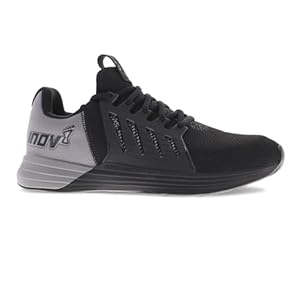
Inov-8 Women’s F-lite G 300 C…
Take on the toughest workouts with the even-tougher inov-8 F-Lite G 300 Training Shoes. A versatile…

Adjustable Dumbbell Set of 2, 4 in …
【Please make sure to choose authentic products and select only FBA】Specially Designed for Women: Zempox adjustable…

Optimum Nutrition Muscle Recovery a…
One 180 tablet container (60 day supply) of Optimum Nutrition Zinc Magnesium Aspartate Supplement Each 3-tablet…

Garmin 010-12883-00 HRM-Dual Heart …
HRM dual features a soft strap that is comfortable and adjustable Simply remove the heart rate…